Learning Outcomes

Identify methods for recognizing and evaluating risks of material misstatement during audit planning.

Evaluate inherent, control, and detection risks and their impact on audit strategy and procedures.




Earn CPE Credits!
Earn CPE Credits!
Learn how to identify, evaluate, and document risks of material misstatement arising from fraud or error. This session explains how risk assessment directly influences audit planning decisions, including the nature, timing, and extent of procedures required for effective engagement execution.
Understand components of audit risk: inherent, control, and detection risk
Evaluate significant risks requiring special audit attention
Apply structured engagement team discussion practices
Address fraud-related risks using minimum required procedures
Link assessed risks to detailed audit testing strategies

Learn how inherent, control, and detection risks interact and influence audit planning decisions.
Develop structured approaches to identifying and documenting risks arising from fraud or error.
Recognize conditions requiring special audit consideration and targeted response procedures.
Understand how team communication supports consistent risk assessment and audit effectiveness.
Apply minimum required procedures to address fraud risks within the audit engagement process.
Connect assessed risks to the nature, timing, and extent of audit testing for stronger engagement outcomes.
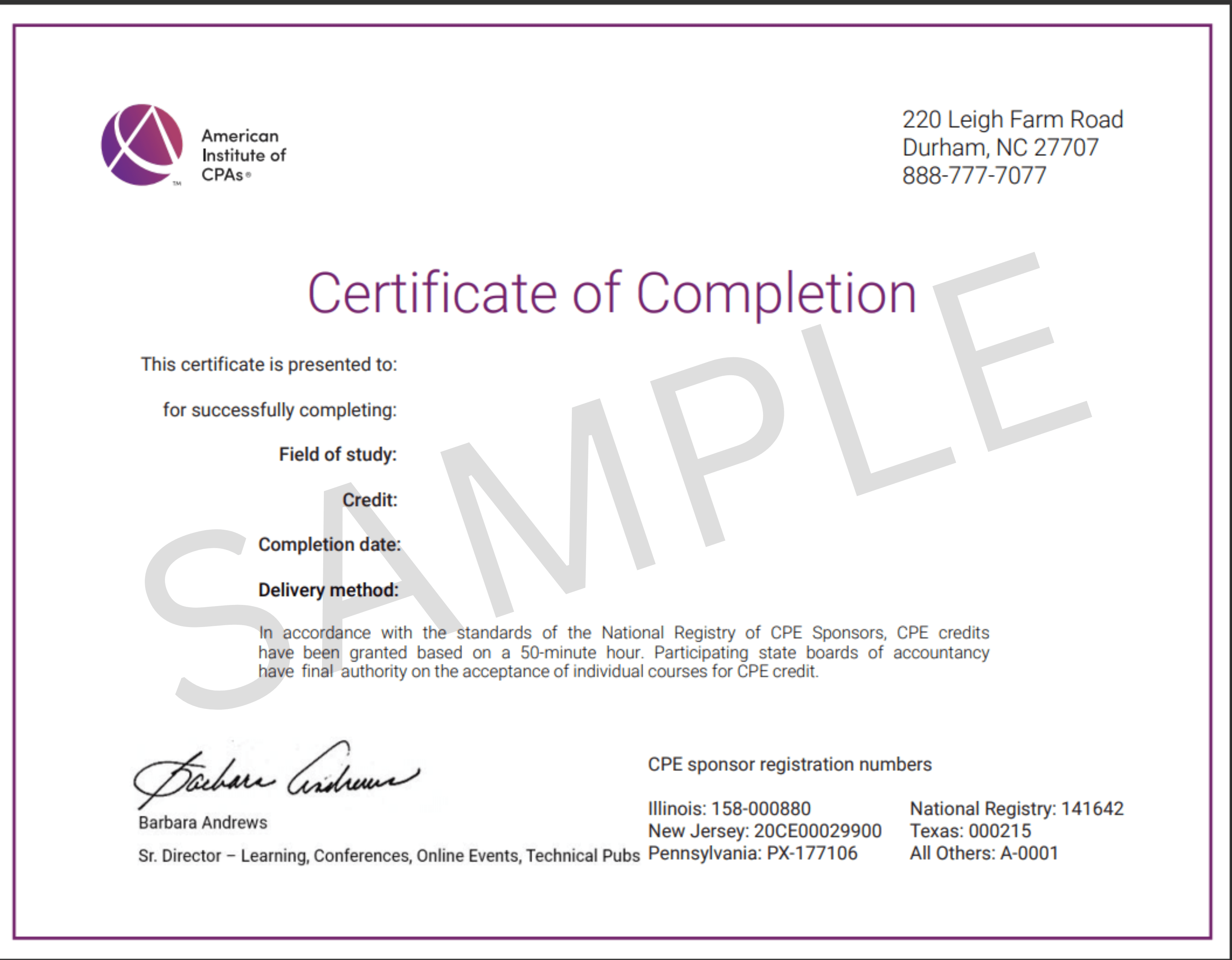
Get a preview of your achievement with Demo Certificate - a glimpse of the credential you’ll earn after successfully completing the program.
Jennifer Louis is an experienced audit professional and educator specializing in financial statement audits and audit methodology. She focuses on simplifying complex audit concepts and providing practical guidance on engagement planning, risk assessment, and compliance with professional standards.
What Skills Will I Gain?

Participants learn how to identify and evaluate risks of material misstatement, distinguish components of audit risk, recognize significant risk areas, and align risk conclusions with appropriate audit procedures.
How Is the Program Delivered?
The session is delivered online through a structured learning format with practical explanations, examples, and exercises supporting application of risk assessment concepts in audit engagements.
Who Should Enroll?
This session is suitable for new auditors, accounting professionals, internal audit teams, and practitioners seeking stronger understanding of risk assessment and audit response practices.
What Topics Are Covered?
Key topics include inherent, control, and detection risk, identification of significant risks, engagement team discussions, fraud risk considerations, and linking risk assessments to audit procedures.
How Many CPE Credits Are Offered?
This session offers 2 CPE credits under the Accounting and Auditing field of study.
What Is the Program Level and Field of Study?
The program level is Basic and the NASBA field of study is Accounting and Auditing.