Learning Outcomes

Identify key engagement acceptance steps required before beginning financial statement audit engagements.

Evaluate independence considerations and safeguards supporting compliant and objective audit planning decisions.




Earn CPE Credits!
Earn CPE Credits!
This session explains the key judgments made before an audit begins, including engagement acceptance, independence safeguards, and client understanding requirements. Participants review risk considerations, documentation expectations, and responsibilities that shape audit planning and support efficient, high-quality financial statement engagements.
Engagement acceptance & documentation
Independence threats & safeguards
Client communication requirements
Initial audit planning & successor roles
Group audits & early risk assessment

Review criteria used to evaluate engagement risks, client integrity considerations, and documentation expectations before accepting audit assignments.
Identify threats to independence and apply appropriate safeguards aligned with professional and regulatory audit requirements.
Clarify responsibilities of management and auditors while establishing expectations for attest and nonattest service relationships.
Recognize additional procedures required when working as a successor auditor during first-year financial statement engagements.
Understand coordination roles between group and component auditors in multi-entity financial statement audit engagements.
Evaluate factors influencing risk of material misstatement before detailed audit procedures are designed.
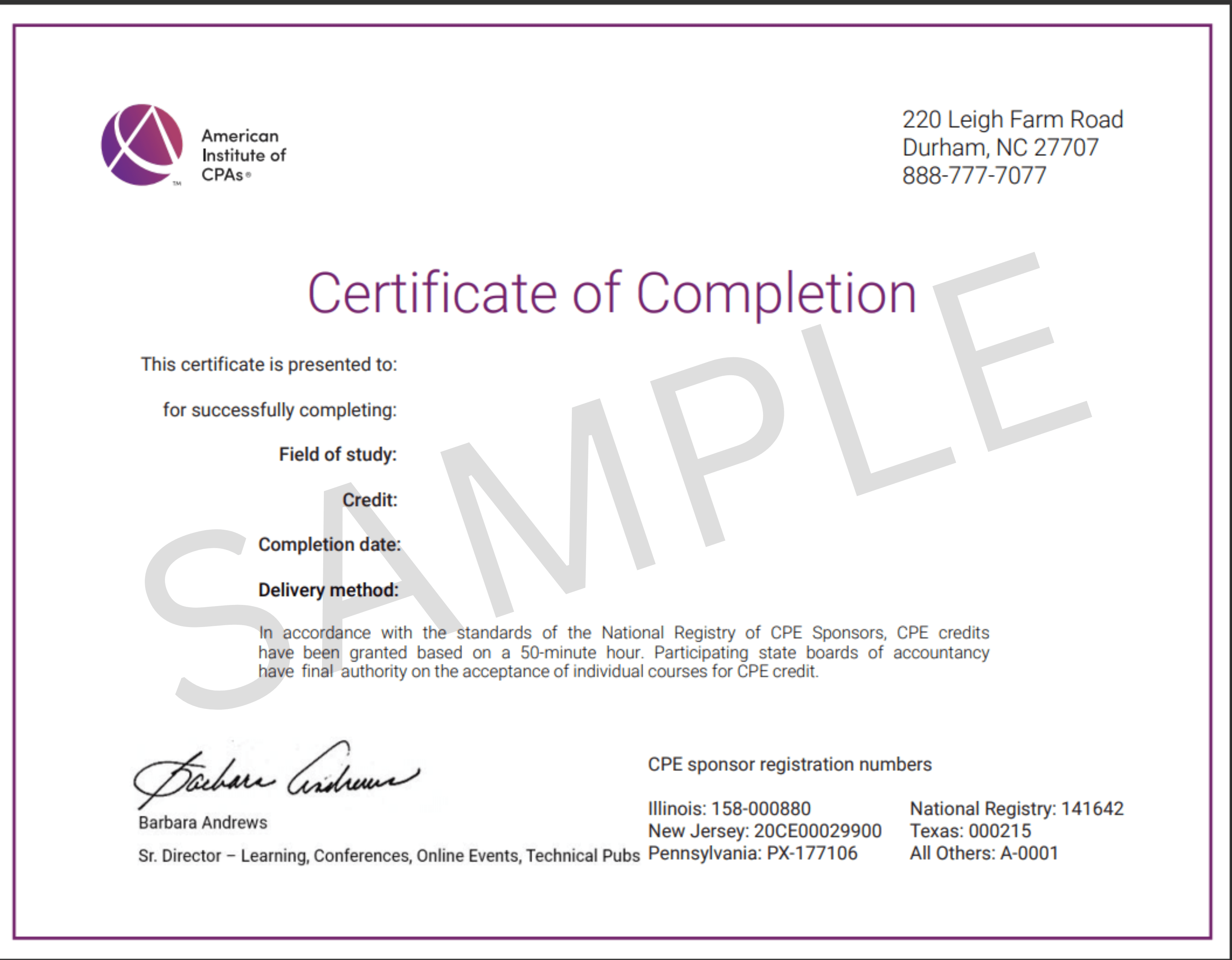
Get a preview of your achievement with Demo Certificate - a glimpse of the credential you’ll earn after successfully completing the program.
Jennifer Louis is an experienced audit professional and educator specializing in financial statement audits and audit methodology. She focuses on simplifying complex audit concepts and providing practical guidance on engagement planning, risk assessment, and compliance with professional standards.
What Skills Will I Gain?

Participants learn how to evaluate engagement acceptance factors, identify independence threats, assess early audit risks, and establish clear client understanding before beginning financial statement audit work.
How Is the Program Delivered?
The session is delivered online as a structured self-study course, allowing participants to review engagement planning concepts and audit preparation requirements at their own pace.
Who Should Enroll?
This session is designed for new auditors, assurance professionals seeking refreshers, and team members involved in engagement acceptance, independence evaluation, and early-stage audit planning activities.
What Topics Are Covered?
Topics include engagement acceptance decisions, independence safeguards, client understanding requirements, successor auditor considerations, group audit coordination, and early risk assessment judgments.
How Many CPE Credits Are Offered?
Participants earn 2 CPE credits upon successful completion of this session.
What Is the Program Level and Field of Study?
The program level is Basic and the NASBA field of study is Accounting and Auditing.