



Earn CPE Credits!
Earn CPE Credits!
This session explains how auditors gather early engagement information and perform preliminary risk assessment procedures that influence the nature, timing, and scope of audit work. It emphasizes evaluating the entity environment, applying materiality judgments, identifying significant audit areas, and recognizing fraud-related risks during the planning phase.
Develop global market entry strategies
Understand cross-border operations
Navigate legal and regulatory frameworks
Identify growth opportunities globally
Lead in diverse business environments

This session explains how auditors perform preliminary planning procedures that support risk assessment decisions and shape the overall audit strategy. It focuses on understanding the entity environment, applying materiality, performing analytical review, and identifying significant audit risks early in the engagement.
Learn how to evaluate business operations, industry conditions, and internal factors that influence risk assessment decisions.
Understand how materiality thresholds guide planning judgments and help determine audit scope and focus areas.
Use early-stage financial comparisons and trend analysis to identify unusual relationships requiring further attention.
Recognize accounts, disclosures, and transactions that require increased audit attention during planning.
Identify common fraud indicators and understand their impact on audit planning decisions.
Understand how early planning conclusions influence audit timing, procedures, and allocation of audit effort.
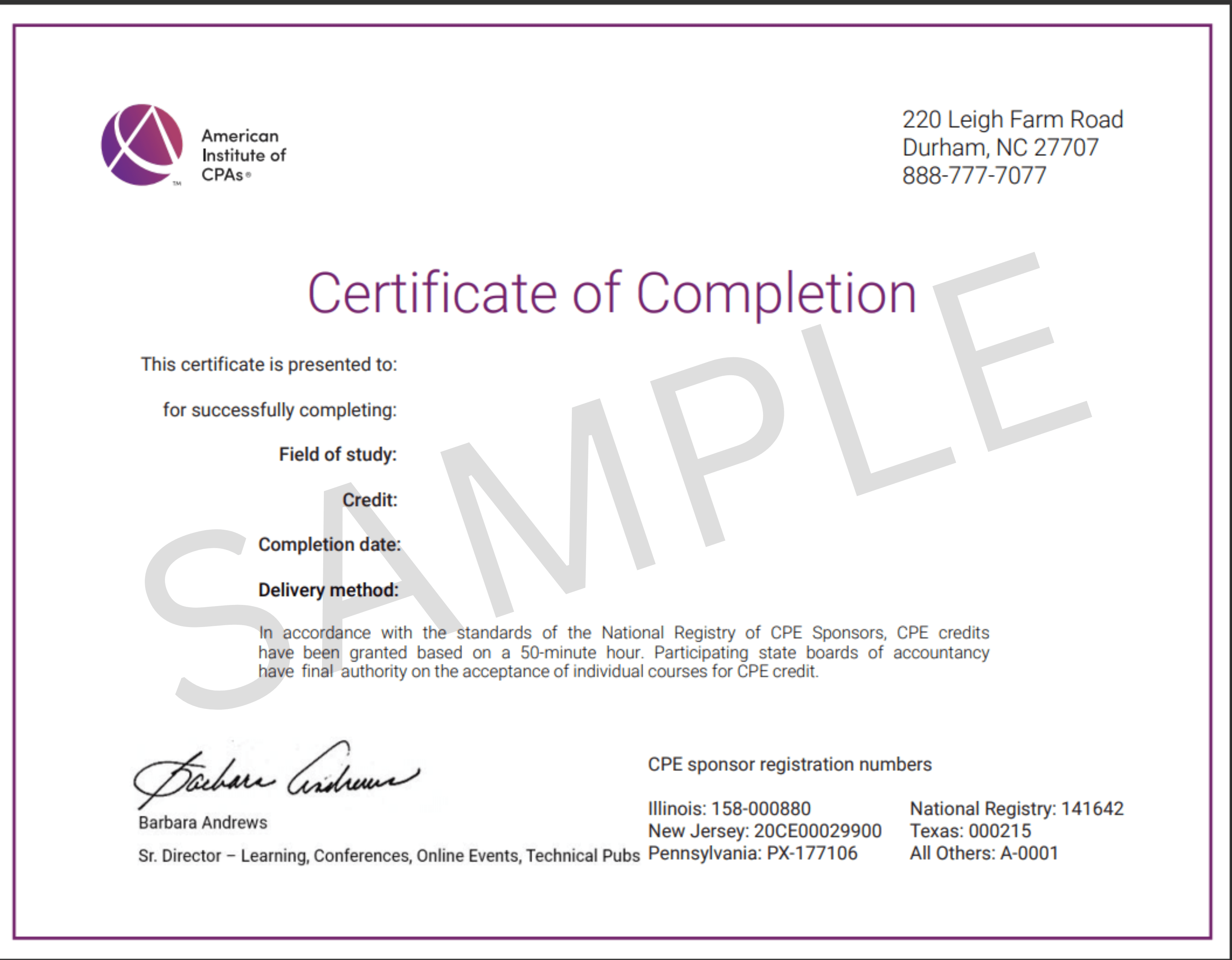
Get a preview of your achievement with Demo Certificate - a glimpse of the credential you’ll earn after successfully completing the program.

Jennifer Louis is an experienced audit professional and educator specializing in financial statement audits and audit methodology. She focuses on simplifying complex audit concepts and providing practical guidance on engagement planning, risk assessment, and compliance with professional standards.
What Skills Will I Gain?
Participants learn how to gather engagement-level information, evaluate entity environment risks, apply materiality concepts, perform preliminary analytical procedures, and identify significant audit areas that influence planning decisions.
How Is the Program Delivered?
The session is delivered online as a structured two-hour self-study module with practical explanations of preliminary planning and risk assessment procedures used in audit engagements.
Who Should Enroll?
This session is suitable for auditors, accounting professionals, and audit associates who want to strengthen their understanding of engagement planning and early-stage risk assessment procedures.
What Topics Are Covered?
Topics include understanding the entity environment, applying materiality judgments, performing preliminary analytical procedures, identifying significant audit areas, and recognizing fraud risk considerations.
How Many CPE Credits Are Offered?
This session provides 2 CPE credits under the Accounting and Auditing field of study.
What Is the Program Level and Field of Study?
The program level is Basic, and the NASBA field of study is Accounting and Auditing.