


___
Home / All Programs / AICPA Certification / Digital Transformation and Underpinning Technologies

Digital Transformation and Underpinning Technologies

Digital Transformation and Underpinning Technologies

Earn CPE Credits!

  • Format: Online
  • CPE Credits: 2.5
  • Level: Basic
  • Field of Study: Regulatory and Compliance
Talk to an Expert8,217

Digital Transformation and Underpinning Technologies

Earn CPE Credits!

  • Format: Online
  • CPE Credits: 2.5
  • Level: Basic
  • Field of Study: Regulatory and Compliance
Talk to an Expert8,217

Digital Transformation and Underpinning Technologies

Digital Transformation Program

Organizations are rapidly adopting digital technologies to improve efficiency, manage risk, and remain competitive in evolving regulatory environments. This course introduces key technologies such as cloud computing, automation, IoT, and blockchain, and explains how they support operational transparency, compliance readiness, and finance transformation. Participants will understand how digital initiatives influence decision-making, customer expectations, and enterprise processes while preparing to support structured digital strategy execution.

  • Understand drivers of digital transformation in regulated environments

  • Recognize core technologies enabling modern finance operations

  • Identify impacts on compliance, reporting, and governance processes

  • Evaluate digital adoption considerations across enterprise functions

  • Apply digital strategy insights to organizational improvement initiatives

Who Should Enroll?

Management accounting professionals
Build understanding of digital technologies shaping finance functions and supporting structured decision-making in regulated environments.
Accounting and finance leaders
Strengthen awareness of automation, cloud platforms, and digital tools impacting reporting, compliance, and enterprise operations.
Controllers and finance directors
Evaluate how digital transformation improves process efficiency, governance visibility, and financial performance monitoring.
CFOs and senior finance executives
Develop insight into enterprise digital strategy alignment with risk management, compliance expectations, and organizational change initiatives.

Key Areas Covered

Digital transformation fundamentals

Understand how digital transformation reshapes finance workflows, controls, and enterprise decision support structures.

Emerging technology landscape

Recognize roles of cloud computing, automation tools, IoT systems, and blockchain in modern business operations.

Digital enterprise operations

Identify how integrated digital platforms improve coordination, reporting accuracy, and operational transparency.

Customer expectations in digital environments

Evaluate how digital adoption changes service delivery models and stakeholder engagement expectations.

Process automation in finance functions

Understand automation benefits in reducing manual tasks and strengthening compliance-oriented workflows.

Technology-driven strategy alignment

Assess how digital initiatives support structured strategy execution and enterprise performance improvement.

Course Overview

Understand digital transformation drivers
Identify strategic, operational, and compliance-related factors influencing adoption of digital technologies in finance environments.
Explore enabling technologies
Recognize how cloud platforms, automation tools, IoT systems, and blockchain support modern enterprise processes.
Support digital finance structures
Understand how technology improves reporting accuracy, workflow efficiency, and governance visibility across finance functions.
Align strategy with digital change
Assess how organizations integrate digital initiatives with enterprise strategy, risk management, and performance objectives.

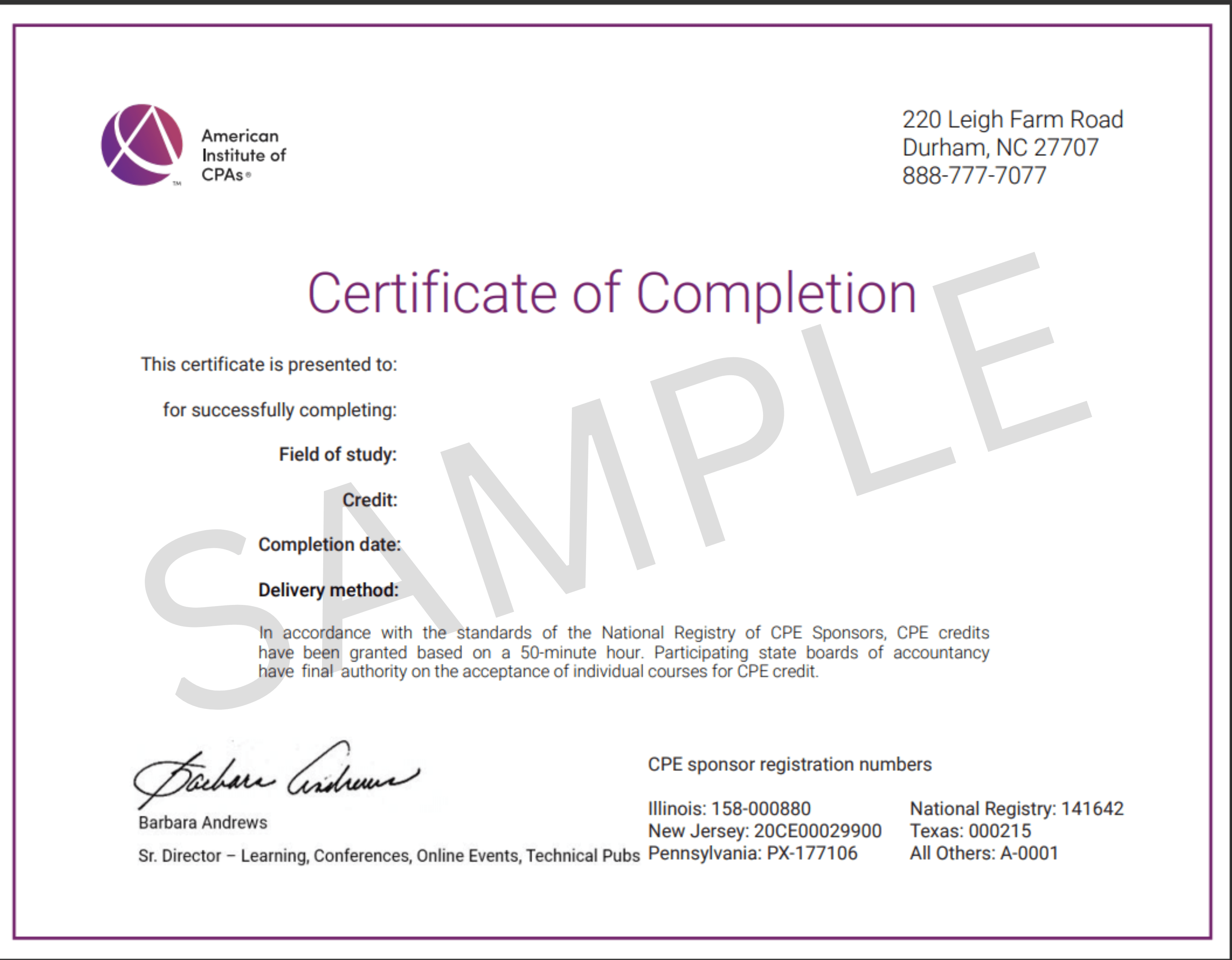
Certification That Elevates Your Professional Journey!

Get a preview of your achievement with Demo Certificate - a glimpse of the credential you’ll earn after successfully completing the program.

Certificate Image
Click to enlarge

About Authors

Industry Expert Contributors

Developed by experienced finance and management professionals with practical expertise in budgeting, forecasting, and operational planning across business environments.

Global Accounting Specialists

Content designed by subject matter experts associated with international accounting bodies, ensuring relevance, accuracy, and application in real-world financial contexts.

FAQs

What Skills Will I Gain?

dropdown arrow icon

Participants learn to evaluate digital transformation drivers, understand enabling technologies such as cloud and automation, assess impacts on finance operations, and align digital initiatives with governance and compliance objectives.

How Is the Program Delivered?

dropdown arrow icon

The program is delivered online through a structured self-study format that allows flexible access to course materials and supports independent learning aligned with professional schedules.

Who Should Enroll?

dropdown arrow icon

This course is suitable for management accounting professionals, finance leaders, controllers, finance directors, and senior executives supporting digital initiatives within regulated business environments.

What Topics Are Covered?

dropdown arrow icon

Key topics include digital transformation fundamentals, emerging technologies, automation in finance processes, enterprise digital operations, and strategy alignment with compliance-focused initiatives.

How Many CPE Credits Are Offered?

dropdown arrow icon

Participants earn 2.5 CPE credits upon successful completion of the course requirements.

What Is the Program Level and Field of Study?

dropdown arrow icon

The program is offered at a basic level and falls under the Regulatory and Compliance NASBA field of study.

Learning Outcomes

Identify the key drivers behind digital transformation and their impact on finance and enterprise operations.

Recognize the role of technologies such as cloud computing, automation, IoT, and blockchain in supporting modern business processes.

Evaluate how digital initiatives influence governance, compliance readiness, and organizational decision-making.

Develop practical awareness of how digital strategy supports operational efficiency and enterprise performance improvement.